 by
by Also starring Sharad Kelkar and Neha Sargam, the Haris Imtiyaz Khan directorial is set against a rural backdrop and explores fear, family, legacy and buried truths through the lens of horror.
The world of Hindi horror is set to venture into an unsettling rural landscape with Kaali Kheti, an upcoming film headlined by Jackie Shroff and Sharad Kelkar. The film has officially locked its theatrical release date for October 23, 2026, with the makers marking the announcement by unveiling its first poster.
Written and directed by Haris Imtiyaz Khan, Kaali Kheti also features Neha Sargam, along with actors including Virendra Saxena and Shaji Choudhary. Produced by Sana Khan under the BlackCanvas Studio banner, the film is being positioned as a rural horror story that brings together fear, family, legacy and secrets that have remained buried for years.
The release announcement has arrived with deliberately limited information about the plot. Rather than explaining the central mystery, the first-look material establishes an eerie atmosphere and leaves the circumstances surrounding the film’s horror element largely concealed. That decision appears to be part of the film’s promotional strategy, allowing its central mystery to remain intact ahead of its theatrical release.
Kaali Kheti
Locks October 23 Release
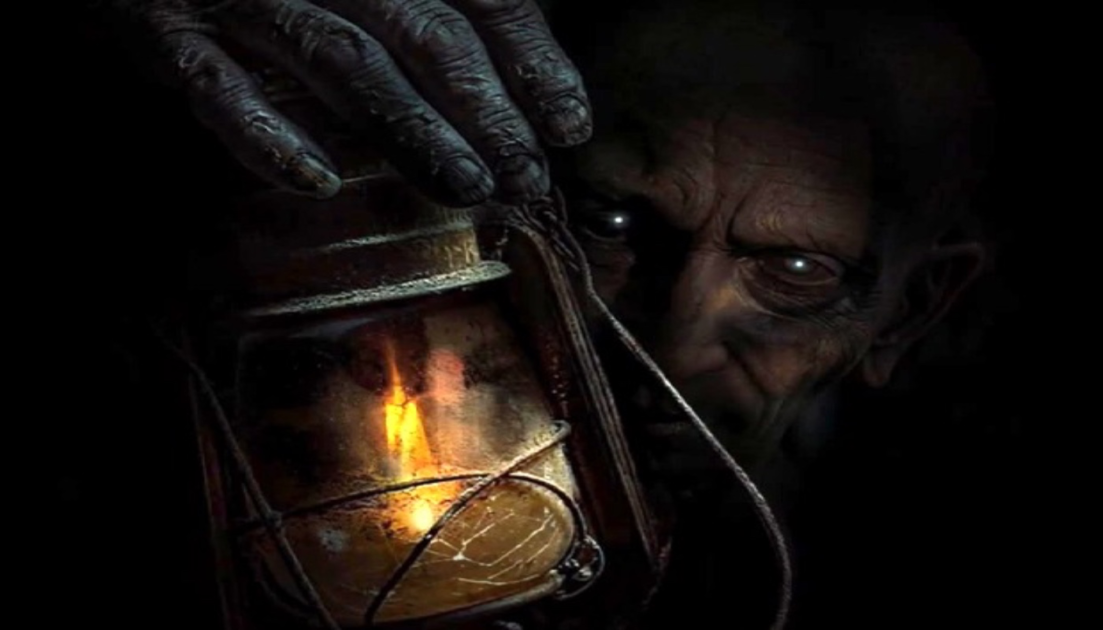
The makers have confirmed that Kaali Kheti will reach cinemas on October 23, 2026. Jackie Shroff also shared the release announcement, accompanied by a poster designed to introduce audiences to the film’s ominous rural world.
The announcement follows the project’s earlier unveiling under the title Kheti. The film was announced in May 2026, when Jackie Shroff, Sharad Kelkar and Neha Sargam were revealed as part of the cast. The project has subsequently been renamed Kaali Kheti, giving the title itself a darker association with the horror premise.
The October theatrical date places the movie firmly within the cinematic horror space as audiences prepare for a story that takes its setting away from the familiar urban environments often associated with contemporary Hindi genre films.
While the exact plot has not been officially disclosed, the makers have made it clear that the film revolves around a rural community and the frightening consequences of confronting what has been hidden beneath the surface.
The First Poster Sets an Ominous Tone
The first poster does not offer a conventional character introduction or reveal the identities and relationships at the centre of the story. Instead, it leans into mystery.
Reports describing the poster note an ominous figure holding a lamp, reinforcing the film’s emphasis on darkness and light. The accompanying promotional line, “Roshni bujhne na dena, kheti jaagne wali hai”, further connects the imagery of light with the mysterious idea of the land or “kheti” awakening.
That imagery is particularly significant because the film is not simply being presented as a generic supernatural story. Its horror is directly tied to agriculture and a rural environment.
The poster therefore works as more than a release-date announcement. It introduces the atmosphere of Kaali Kheti without revealing the mystery that drives the narrative.
For a horror film, withholding information can be an important part of building anticipation. Instead of showing the creature, supernatural threat or major twists in detail, the campaign appears to be relying on suggestion. The audience is given enough information to understand that something is wrong, but not enough to understand exactly what has happened.
Haris Imtiyaz Khan Brings Agriculture Into Horror
At the centre of Kaali Kheti is filmmaker Haris Imtiyaz Khan, who has written as well as directed the project.
Khan has described the film as an attempt to examine agriculture through the lens of horror. In comments reported following the release announcement, the filmmaker explained that the idea was inspired by an interest in exploring a subject he had not previously seen approached in this way. He also described the film as a reflection of society presented through a frightening and fantastical world.
That premise gives Kaali Kheti a potentially distinctive foundation.
Agriculture is usually associated with livelihood, land, family, tradition and community. It is also closely connected to ideas of inheritance and generational identity in rural settings. Turning that environment into the source of horror allows the film to explore fear through something that is otherwise ordinary and deeply rooted in everyday life.
The contrast can be particularly effective in horror.
A field that represents prosperity can become threatening. A piece of inherited land can carry memories that a family would rather forget. A village tradition can have an explanation that is far more disturbing than outsiders realise.
The film has not revealed which of these possibilities forms its actual storyline, and it would be premature to assume specific twists. However, the filmmakers’ own description establishes that agriculture is central to the horror framework.
A Story Built Around Family, Legacy and Buried Truths
Beyond its rural setting, Kaali Kheti is being described as a story involving family, legacy and long-buried truths.
Those themes are particularly suited to a rural horror narrative because land and family histories can often overlap. Property, traditions, relationships and memories can pass from one generation to another, creating an environment where the past remains present even when people attempt to move beyond it.
In Kaali Kheti, these ideas appear to provide the emotional foundation beneath the horror.
The film’s official descriptions suggest that fear is not being treated as an isolated supernatural phenomenon. Instead, it is connected to the lives of people within the rural community and to things that have remained hidden.
This distinction could make the film’s horror more character-driven.
Rather than presenting a frightening presence simply for the sake of scares, the story appears interested in asking what happens when people are forced to confront something that has been suppressed or ignored.
The filmmakers have kept the exact nature of these buried truths under wraps, meaning audiences will have to wait for the film itself to discover how family and legacy connect with the central mystery.
Jackie Shroff Takes on a Rural Horror Setting
For Jackie Shroff, Kaali Kheti represents another interesting addition to a career spanning more than four decades.
The veteran actor has appeared across a wide range of genres and character types throughout his career. His association with the upcoming project is particularly notable because Kaali Kheti is being positioned as a full-fledged rural horror story rather than simply a film containing isolated horror elements.
Shroff has previously been associated with films that incorporated supernatural or horror-comedy elements, including Bhoot Unkle, Bhoot and Friends and Phone Bhoot. However, Kaali Kheti places him in a much more atmospheric rural horror framework.
That makes the project another opportunity for the actor to work within a genre-driven setting while remaining part of an ensemble built around a mysterious central narrative.
His screen presence also fits naturally with the film’s rural aesthetic. Shroff has often maintained a public image closely associated with his grounded personality and connection to everyday Indian culture, although the specific nature of his character in Kaali Kheti has not yet been fully revealed.
That secrecy is important.
The makers have not provided a conventional character breakdown for Shroff, meaning audiences do not yet know whether he is positioned as a protector, a member of the family at the centre of the mystery, a witness to the supernatural events or someone directly connected to the legacy being explored.
Those details remain part of the film’s unrevealed narrative.
Sharad Kelkar Adds Another Layer to the Cast
Alongside Jackie Shroff is Sharad Kelkar, an actor known for moving between television, films and voice work and for portraying a broad range of dramatic characters.
His inclusion gives the film another established performer capable of handling a serious, atmospheric narrative.
Kelkar’s presence is particularly intriguing within a film where family dynamics and buried truths are expected to play an important role. However, like Shroff’s character, the precise nature of Kelkar’s role has not been officially detailed.
That restraint is consistent with the film’s overall promotional approach.
Rather than selling Kaali Kheti through extensive character descriptions, the campaign so far has focused on its setting, title, mood and release date.
The cast also includes Neha Sargam, while Virendra Saxena and Shaji Choudhary are among the other performers associated with the project. Child actor Spandan has also been reported as part of the cast.
With several experienced performers sharing the screen, the film has the opportunity to build its horror around relationships and community rather than depending entirely on visual scares.
Why the Rural Setting Matters to the Horror
The rural setting could be one of the defining characteristics of Kaali Kheti.
Hindi horror has frequently used houses, abandoned buildings, forests, hospitals, cities and isolated locations as sources of fear. A village and agricultural landscape offer a different visual and cultural vocabulary.
Fields stretch across open spaces rather than confining characters within four walls. At the same time, darkness can transform familiar landscapes into places that become difficult to navigate.
A field that looks completely ordinary during daylight can take on an entirely different character after sunset.
The idea becomes even more relevant when agriculture itself is incorporated into the horror premise.
The title Kaali Kheti immediately evokes the image of dark or cursed farmland, although the exact meaning of the title within the story has not been revealed.
That ambiguity leaves room for the film to explore the relationship between people and the land without reducing the setting to a simple backdrop.
The village may become a character in its own right—a place carrying memories, traditions and secrets.
Horror Through the Lens of Society
Director Haris Imtiyaz Khan has indicated that the film uses its frightening world as a reflection of society.
That statement provides one of the clearest clues about the film’s ambitions.
Socially rooted horror often works by taking familiar institutions, relationships or beliefs and placing them in unsettling circumstances. The supernatural element can then become a way of examining real-world fears.
In the case of Kaali Kheti, the combination of family, agriculture and legacy offers several possible avenues for that exploration.
Land can represent security, wealth and identity. It can also become a source of conflict.
Family traditions can provide belonging while simultaneously preserving painful memories.
And buried truths can remain hidden for generations until circumstances force them into the open.
The film’s official information does not establish exactly how these themes intersect, but its description makes clear that the horror is intended to have a broader social dimension rather than existing purely as a collection of supernatural incidents.
A Deliberately Secretive Promotional Campaign
One of the most noticeable aspects of the Kaali Kheti announcement is how little the makers have revealed.
There is currently no detailed official plot synopsis explaining the central supernatural mystery. The poster offers atmosphere rather than answers, and the promotional material focuses heavily on the film’s rural setting and thematic ideas.
This approach allows the audience to enter the film without already knowing its major narrative developments.
It also means that speculation surrounding the project can remain separate from confirmed information.
At this stage, what is known is that Kaali Kheti is a Hindi rural horror film written and directed by Haris Imtiyaz Khan, produced by Sana Khan, and starring Jackie Shroff, Sharad Kelkar and Neha Sargam, with additional cast members including Virendra Saxena and Shaji Choudhary. It is scheduled for theatrical release on October 23, 2026.
Beyond that, the story remains intentionally guarded.
The Technical Team Behind the Film
The project also brings together a technical team experienced in creating cinematic atmosphere.
Kiran Deohans serves as the cinematographer, while Sanyukta Kaza is credited with editing. The background score is by Alokananda Dasgupta, and production design is handled by Rakesh Yadav.
These departments can be particularly important for a rural horror film.
Cinematography can determine whether the landscape feels inviting or threatening. Production design can establish the details of the village and agricultural environment, while editing controls how quickly information is revealed.
Perhaps most importantly, the background score can determine how an otherwise ordinary scene feels.
Horror frequently depends on anticipation as much as revelation. Silence, distant sounds, environmental noises and music can make audiences uncomfortable before anything frightening actually appears on screen.
With Kaali Kheti, those technical elements are likely to play an important role in establishing the atmosphere promised by the first poster.
The evolution of the film’s title is another interesting aspect of its journey.
The project was initially announced in May 2026 as Kheti. At that stage, the makers had already described it as a rural horror story revolving around family, legacy and buried secrets.
The title has now become Kaali Kheti, introducing the word “kaali”—or black/dark—into the name.
While the makers have not publicly explained the reasoning behind the title change, the new name immediately strengthens the horror identity of the project.
It also creates a striking contrast between the everyday association of farming and the darkness implied by the word “kaali”.
Whether the title ultimately refers to a literal location, a supernatural phenomenon, a family history or something else entirely remains to be seen.
What Audiences Can Expect From the October Release
With its October 23 theatrical date, Kaali Kheti is positioning itself as a big-screen horror experience built around atmosphere and mystery.
The decision to release the film theatrically is significant for a genre that benefits from collective viewing. Horror can depend heavily on sound design, darkness, visual scale and audience reactions, all of which can be heightened inside a cinema.
The rural setting could also lend itself to large-screen presentation.
Fields, village landscapes and isolated locations can provide a visual scale that contrasts with the intimate family conflicts at the centre of the narrative.
At the same time, the film’s emphasis on buried truths suggests that its appeal may extend beyond conventional horror.
Audiences interested in mystery, family drama and atmospheric storytelling may find those elements equally important to the supernatural premise.
A Different Direction for Hindi Horror?
The Indian horror landscape has expanded considerably over the years, with filmmakers experimenting with folklore, supernatural comedy, psychological horror and stories rooted in local traditions.
Kaali Kheti enters that wider conversation with an approach that places agriculture at the centre of its horror concept.
That is the aspect most clearly highlighted by its director and promotional material.
Instead of treating rural India simply as a picturesque location, the film appears to make the land itself part of its narrative identity.
That distinction could be important.
The most effective genre stories often transform something familiar into something unsettling. By taking an environment associated with work, family and livelihood and placing it inside a horror framework, Kaali Kheti has created a premise that immediately raises questions without answering them.
What happened on the land?
Why has something remained buried?
What does the family legacy have to do with the fear?
And what exactly does it mean for the “kheti” to awaken?
The film’s campaign currently provides no definitive answers.
Jackie Shroff and Sharad Kelkar’s Horror Mystery Arrives October 23
For now, Kaali Kheti remains deliberately mysterious.
The film brings together Jackie Shroff, Sharad Kelkar and Neha Sargam under the direction of Haris Imtiyaz Khan for a rural horror story that combines fear with family, legacy and hidden truths. Its first poster establishes an ominous atmosphere while keeping the central mystery concealed.
The project was originally announced as Kheti earlier this year and has now emerged as Kaali Kheti, with the new title reinforcing its darker identity.
What makes the project particularly intriguing is the filmmaker’s stated intention to explore agriculture through horror. Rather than revealing a conventional haunted-house narrative, the film appears to be building its identity around land, rural life and the secrets that can become embedded within families and communities.
The makers have so far resisted revealing the film’s core plot, leaving the poster and title to do much of the promotional work.
Whether the darkness surrounding Kaali Kheti comes from the supernatural, the past, the family at its centre—or a combination of all three—will become clearer when the film reaches cinemas.
For now, the release date is confirmed: Jackie Shroff and Sharad Kelkar’s Kaali Kheti will arrive in theatres on October 23, 2026.